
Blog

We offer a variety of services to help you.
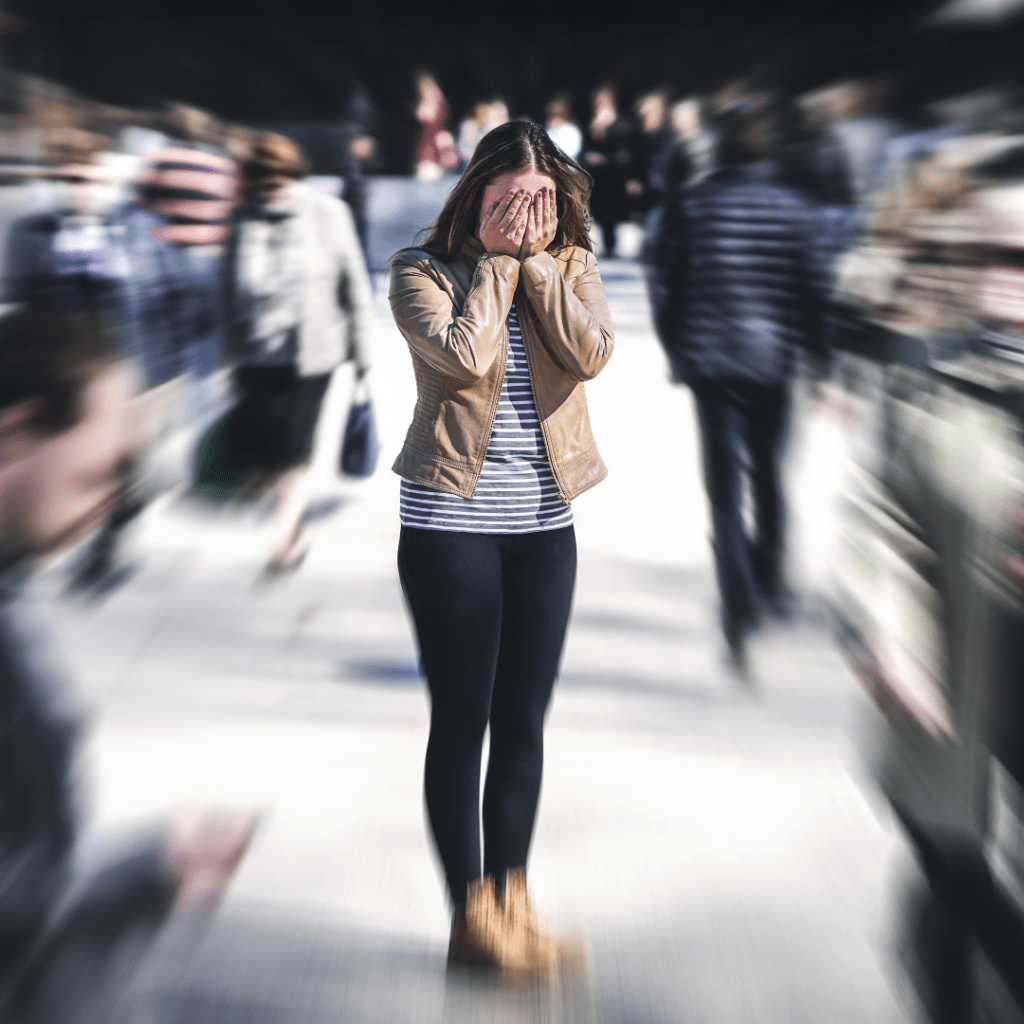
Body Image and Self-Esteem: How to Break the Silent Struggle
In a culture dominated by filtered photos and curated lifestyles, it is easy to feel like your physical appearance dictates your entire value.
Body image and self-esteem are closely connected, and together they form the foundation of our psychological well-being. When one suffers, the other usually goes down with it.
Understanding this connection is the first step toward breaking the cycle of self-doubt and building a healthier relationship with yourself.
The Link Between Body Image and Self-Esteem
To address the struggle, we first need to define what these two terms actually mean in our daily lives:
- Body image is your personal mental picture of your physical self. It includes how you see your body in the mirror, how you feel about your height, weight, and shape, and how you assume others perceive you.
- Self-esteem is your overall sense of self-worth. It is the opinion you have of yourself, your abilities, and your value as a human being.
From a young age, we receive constant messages about how we “should” look. Media, family comments, peer comparisons, and social media filters create highly unrealistic beauty standards.
During critical developmental years like adolescence, we often internalize these standards. We start to believe a dangerous lie: “If I don’t look like that, I am not worthy of respect, love, or success.”
The Vicious Cycle of Negative Body Image
Poor body image and low self-esteem quickly feed into a toxic, self-reinforcing loop:
[Dislike Appearance] ➔ [Low Self-Worth] ➔ [Social Withdrawal / Extreme Behaviors] ➔ [Increased Anxiety & Isolation] ➔ [Dislike Appearance]
When you dislike your physical self, you might avoid social gatherings, pass up career opportunities, or isolate yourself from loved ones. Some people try to cope by turning to extreme measures, such as:
- Chronic crash dieting or severe calorie restriction
- Compulsive, punishing exercise routines
- Overusing photo editing apps to alter their appearance online
These behaviors rarely bring peace. Instead, they reinforce the belief that your natural body is not good enough, driving your self-esteem even lower.
When Discontent Becomes Distress
For some, this struggle goes beyond standard insecurity. It can develop into:
- Body Dysmorphic Disorder (BDD): A mental health condition where a person spends hours obsessing over minor or imagined flaws in their appearance.
- Disordered Eating: Developing rigid, unhealthy habits around food and exercise to control body shape and size.
This is Not Just a Women’s Issue
While media representation often frames body dissatisfaction as a female struggle, it affects people of all genders.
- Men face immense pressure to be lean, muscular, and tall. Because society rarely encourages men to talk openly about body insecurity, their struggles are frequently underreported and undertreated.
- Nonbinary and trans individuals often navigate complex layers of body image challenges as they work to align their physical appearance with their gender identity.
4 Practical Steps to Build a Healthier Relationship with Your Body
Healing does not happen overnight, but you can take concrete, daily steps to rebuild your self-esteem and change how you view your body.
1. Shift Your Focus to Body Neutrality
You do not have to love every single thing about your body to respect it. This is the core of body neutrality.
Instead of focusing on how your body looks, focus on what it does for you. Your body breathes, walks, hugs, laughs, and keeps you alive. Shift your inner dialogue from “I hate how my legs look” to “My legs allow me to walk and experience the world.”
2. Audit Your Social Media Feed
Social media is a highly edited highlight reel. If following certain influencers, fitness accounts, or public figures makes you feel insecure or inadequate, unfollow or mute them.
Replace those accounts with creators who promote diverse body types, hobbies, or skills that have nothing to do with physical appearance.
3. Challenge Your Inner Critic (Cognitive Reframing)
We often say things to ourselves that we would never say to a friend. When you catch yourself thinking, “I look terrible today,” pause and challenge that thought.
- Ask yourself: Is this thought factual, or is it an emotion?
- Reframe it: “I am feeling bloated and uncomfortable today, but that does not change my worth as a person.”
4. Seek Professional Support
If body image issues are taking over your thoughts, affecting your eating habits, or keeping you from enjoying life, consider talking to a therapist. Therapy is highly effective at helping people identify and change harmful thought patterns surrounding appearance and self-worth.
Your Worth is Non-Negotiable
Your value as a human being cannot be measured by a scale, the texture of your skin, or the shape of your body. Everyone deserves to live a life free from the constant burden of self-judgment.
Building a healthier body image is a quiet, daily practice of choosing self-compassion over criticism. Start small today by offering yourself the same kindness you would show to someone you love.