
Blog

We offer a variety of services to help you.
How Trauma Shows Up in Daily Habits
The subtle ways your nervous system tells its story
When people think of trauma, they often picture a single, dramatic event—an accident, an assault, a natural disaster. But trauma is not defined solely by what happened. It’s defined by what your nervous system had to do to survive.
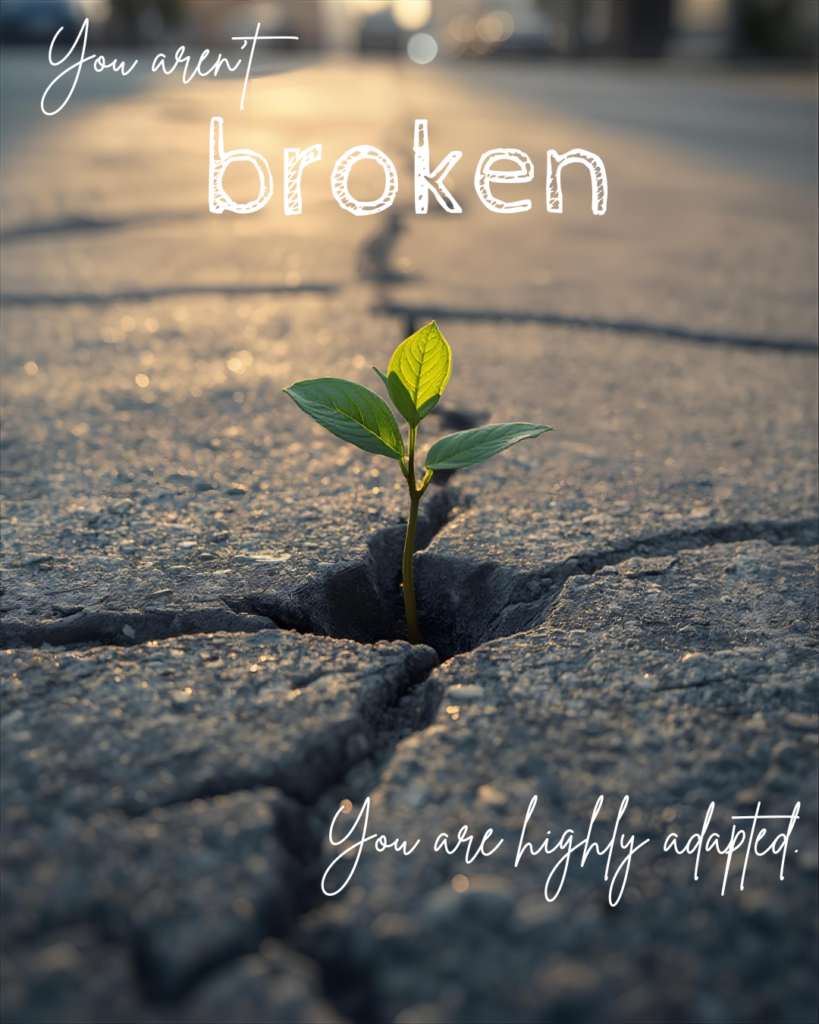
Long after the event has passed, trauma often continues to show up—not as memories, but as habits. Many of the behaviors people criticize themselves for aren’t character flaws; they’re adaptations.
Trauma Lives in the Nervous System, Not Just the Mind
Trauma is stored somatically—meaning it lives in the body and nervous system, not just in conscious memory. When the brain perceives a threat and cannot escape, it learns patterns that prioritize safety over comfort.
1. Hypervigilance Disguised as Productivity
One of the most common ways trauma shows up is through constant busyness. Stillness can feel unsafe for a dysregulated nervous system.
- The Signs: Feeling anxious when not “doing,” rest triggering guilt, or over-planning/over-researching.
- The Why: Productivity becomes a form of control—a way to prevent things from going wrong.
2. Avoidance That Looks Like Procrastination
Trauma can manifest as a freeze response. When the system feels overwhelmed, it shuts down rather than mobilizing.
- The Signs: Feeling “stuck” or paralyzed by small decisions, zoning out on your phone for hours, or knowing what to do but being unable to start.
- The Why: Your system is asking for safety and regulation, not a lecture on discipline.
3. People-Pleasing as a Survival Strategy (Fawning)
For those with relational trauma, people-pleasing is a safety mechanism.
- The Signs: Over-explaining, difficulty setting boundaries, and prioritizing others’ needs to avoid conflict.
- The Why: Your nervous system learned that being agreeable reduces the danger of abandonment or punishment.
4. Hyper-Independence
Trauma often teaches people that relying on others is dangerous or futile.
- The Signs: Doing everything yourself even when overwhelmed, struggling to delegate, and believing you must “handle it alone.”
- The Why: This isn’t just “strength”—it’s a protective barrier against potential disappointment or harm.
Why Awareness Matters More Than “Fixing”
Many people approach these habits with frustration, trying to force change through willpower. But trauma-informed healing starts with understanding. When you recognize a habit as a protective strategy, the question shifts:
Old Question: “What is wrong with me?” New Question: “What did my nervous system learn to do to survive?”
How Healing Begins
Healing is not about eliminating coping strategies—it’s about expanding your capacity so those strategies are no longer necessary.
- Practice self-compassion instead of self-criticism.
- Notice body sensations without judgment.
- Create predictable routines.
- Seek trauma-informed support.
You are not your habits—you are the survivor behind them.