
Blog

We offer a variety of services to help you.
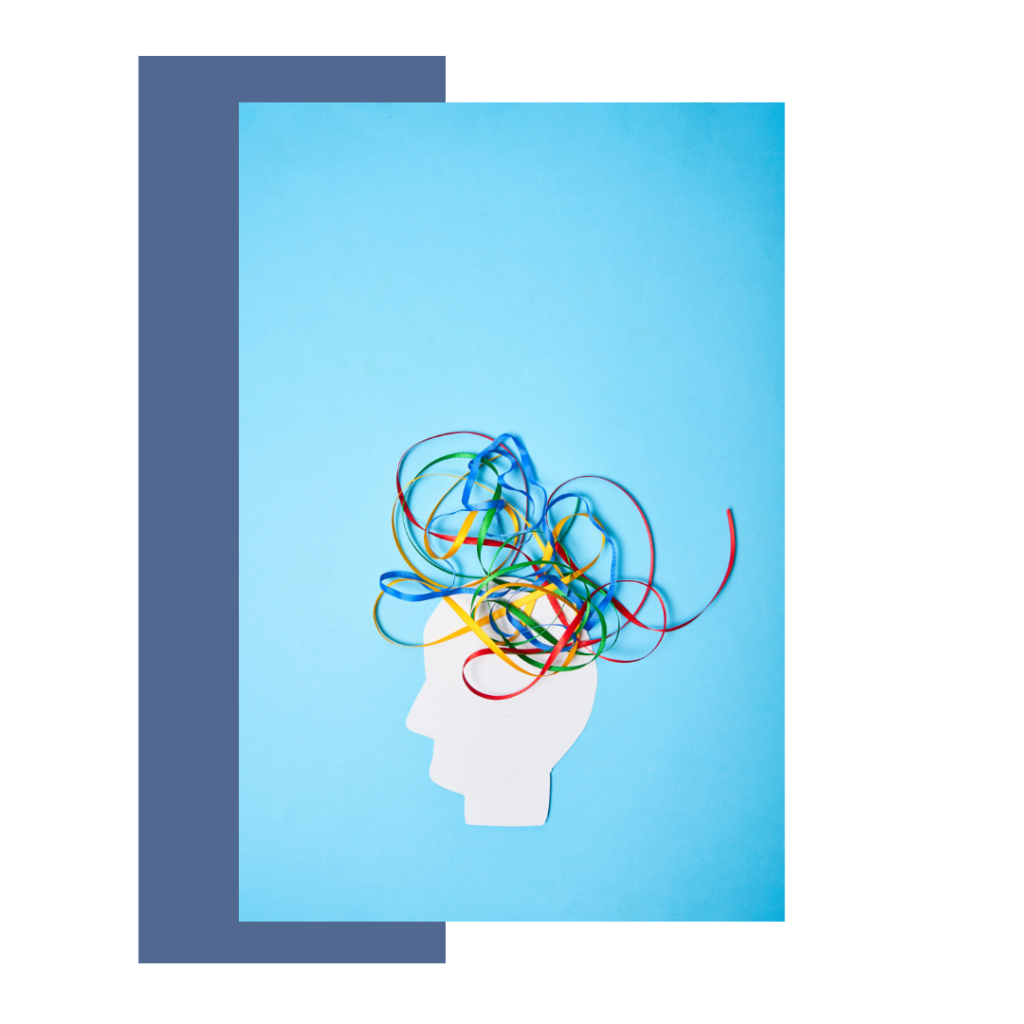
The Rise of Toxic Productivity—and How to Break Free
We live in a world that celebrates being busy. Hustle culture tells us that rest is laziness, slowing down is failure, and productivity is a measure of worth. Calendars are packed, notifications never stop, and even downtime is expected to be “optimized.” Somewhere along the way, productivity stopped being a tool—and became a trap.
This phenomenon has a name: toxic productivity. And while it may look like ambition on the surface, underneath it often fuels anxiety, burnout, shame, and chronic dissatisfaction.
Understanding toxic productivity—and learning how to dismantle it—is essential for protecting mental health in a world that rarely slows down.
What Is Toxic Productivity?
Toxic productivity is the relentless pressure to always be doing more, achieving more, and optimizing every moment—even at the expense of your physical and emotional well-being. It’s not simply working hard or having goals. It’s the belief that your value depends on how productive you are.
Common signs of toxic productivity include:
- Feeling guilty when resting or taking breaks
- Struggling to relax without multitasking
- Measuring self-worth by output, achievements, or busyness
- Pushing through exhaustion instead of listening to your body
- Feeling anxious or irritable when not “doing enough”
- Viewing downtime as something that must be earned
Unlike healthy motivation, toxic productivity doesn’t lead to fulfillment. It leads to chronic stress, emotional depletion, and disconnection from yourself.
Why Toxic Productivity Is on the Rise
Toxic productivity didn’t appear out of nowhere—it’s the product of cultural, technological, and psychological forces colliding.
1. Hustle Culture and Capitalism
Modern culture glorifies overwork. Phrases like “rise and grind,” “sleep when you’re dead,” and “no days off” are framed as inspirational rather than harmful. Productivity is rewarded, exhaustion is normalized, and rest is treated as indulgent.
2. Technology and the Always-On Mindset
Smartphones, emails, and remote work have erased boundaries between work and rest. There’s no clear “off switch” anymore. Even when we stop working, our minds remain on alert—planning, optimizing, or worrying.
3. Social Media Comparison
Social platforms amplify productivity pressure. We see curated snapshots of people launching businesses, hitting milestones, and “doing it all,” often without context. This can create a false belief that everyone else is accomplishing more—and resting less.
4. Anxiety and Control
For many people, productivity becomes a coping mechanism. Staying busy can temporarily quiet anxiety, numb uncomfortable emotions, or create a sense of control in an unpredictable world. The problem is that it doesn’t actually resolve the anxiety—it reinforces it.
The Hidden Mental Health Costs
Toxic productivity doesn’t just make you tired—it reshapes how you relate to yourself.
Burnout
Chronic overworking leads to emotional exhaustion, detachment, and reduced effectiveness. Burnout isn’t a personal failure—it’s a nervous system response to prolonged stress without adequate recovery.
Anxiety and Hypervigilance
When rest feels unsafe, the body stays in a constant state of alert. This can show up as racing thoughts, irritability, sleep problems, or a feeling that you’re always behind.
Shame and Self-Criticism
Toxic productivity breeds harsh inner dialogue: “I should be doing more.” “I didn’t earn this break.” “I’m falling behind.” Over time, this erodes self-compassion and self-trust.
Disconnection from Joy
When everything becomes a task, even pleasurable activities feel transactional. Joy becomes something to schedule—or something you rush through before the next obligation.
How to Break Free from Toxic Productivity
Breaking free doesn’t mean abandoning goals or ambition. It means redefining success in a way that includes your humanity.
1. Separate Worth from Output
Your value is inherent—it is not earned through productivity. Try noticing when your self-talk ties worth to achievement and gently challenge it. Ask yourself:
- Would I judge someone I love this harshly?
- What would it mean to value myself even on unproductive days?
2. Redefine Rest
Rest is not a reward—it’s a biological necessity. True rest isn’t just collapsing at the end of exhaustion; it’s intentional recovery that allows your nervous system to reset. This might include:
- Doing nothing without distraction
- Gentle movement
- Creative play without goals
- Quiet, unstructured time
Rest doesn’t make you lazy—it makes you sustainable.
3. Notice Productivity as Avoidance
Ask yourself: What am I avoiding by staying busy?
Sometimes productivity masks emotional discomfort, loneliness, or fear of failure and inadequacy.
Slowing down can bring emotions to the surface—but that awareness is often the first step toward healing.
4. Shift from “Maximizing” to “Meaningful”
Instead of asking “How can I do more?” try asking:
- What actually matters today?
- What is enough?
Not every moment needs to be optimized. Some moments are meant to be lived, not leveraged.
5. Practice Nervous System Regulation
Toxic productivity keeps the body in fight-or-flight. Gentle regulation practices can help restore balance:
- Deep, slow breathing
- Grounding exercises
- Stepping away from screens
- Allowing pauses between tasks
When your nervous system feels safer, the compulsion to overwork often softens.
A New Definition of Success
Imagine a version of success that includes:
- Adequate rest
- Emotional presence
- Sustainable energy
- Time for connection and joy
- Compassion for yourself on hard days
This version may not always look impressive from the outside—but it feels far better on the inside.
Letting go of toxic productivity is not about doing less forever. It’s about doing what aligns with your values without sacrificing your well-being.
Final Thoughts: You Are Allowed to Be Human
In a world that constantly demands more, choosing rest, balance, and self-compassion is a radical act. You are not behind. You are not lazy. You are not failing because you need breaks.
You are human.
Breaking free from toxic productivity is a process—one that requires unlearning deeply ingrained beliefs. But every time you pause without guilt, listen to your body, or choose enough over excess, you reclaim a piece of yourself.
And that may be the most meaningful productivity of all.